

🎧 ‘Alien: Earth’ Took the Franchise to Places It Had Never Been Before
Cinematographer Dana Gonzales and visual effects supervisor Jonathan Rothbart on the challenge of bringing ‘Alien’ to TV: ‘It was a little scary’
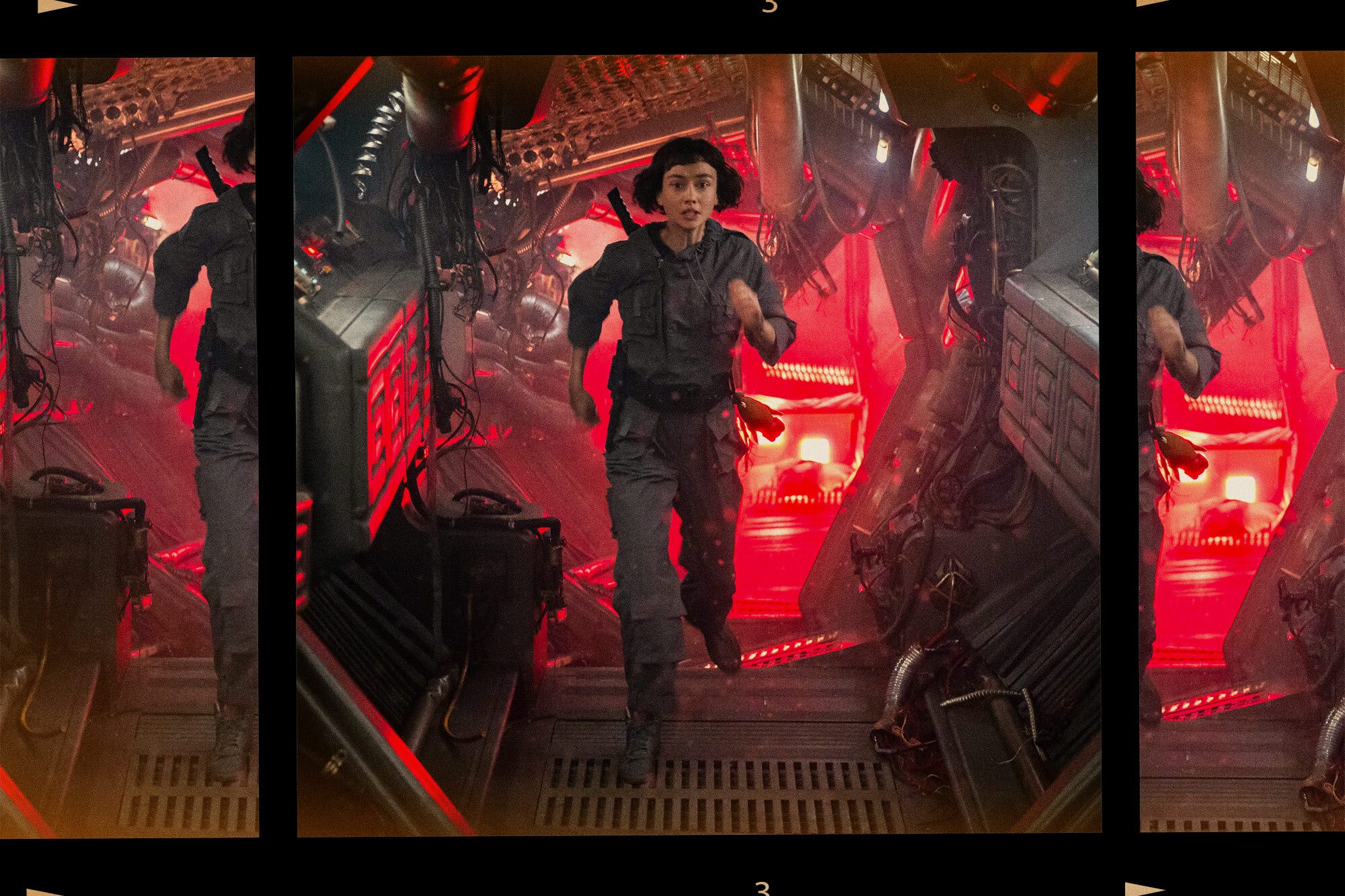
Art & Crafts is our podcast series that goes behind the scenes with the artisans who create the film and TV we love. This conversation is sponsored by FX. Subscribe on Apple Podcasts.

The tagline for Ridley Scott’s 1979 horror sci-fi classic Alien famously warned viewers that “in space, no one can hear you scream.” It’s a different story on Earth.
“You never forget the experience of the first time you saw Alien — the horror of it, everything about that movie worked, and it still holds up,” Alien: Earth cinematographer, director and executive producer Dana Gonzales tells Ankler Media deputy editor Christopher Rosen on the latest episode of Art & Crafts. “So when we had to do possibly 50 hours of story, the big question was, ‘How are we going to do this?’”
Fortunately, creator Noah Hawley, an Emmy winner for FX’s Fargo — another unlikely television twist on a classic film — had an answer. He set FX’s Alien: Earth two years before the events of Scott’s Alien, which introduced audiences to the deadly xenomorph creature as well as Ripley, the franchise’s heroine, played by Sigourney Weaver in four of the nine Alien movies and spinoffs. Then, along with Gonzales — the pilot’s cinematographer and director of multiple episodes — Hawley made sure the series felt like an extension of the original thriller in its visual presentation, while also telling a unique story set on Earth, a location the Alien movies had yet to use as a primary setting.
“Noah wants the audience to feel what he felt the first time he saw Alien, because there are a lot of new people that are experiencing the franchise for the first time with this show,” Gonzales says. “So then it becomes its own thing, and you’re not thinking so much about the Alien movie.”
Alien: Earth kicks off its eight-episode first season with the crash of a research vessel on Earth, an event with deadly consequences as multiple alien life forms quickly escape containment. Visual effects supervisor Jonathan Rothbart was tasked with creating several new creatures for the series, while also being responsible for more xenomorph action than perhaps any of the prior movies combined. (“If you add up how much xenomorph time there is in all the movies, we probably surpassed that by episode 3,” Gonzales says.)
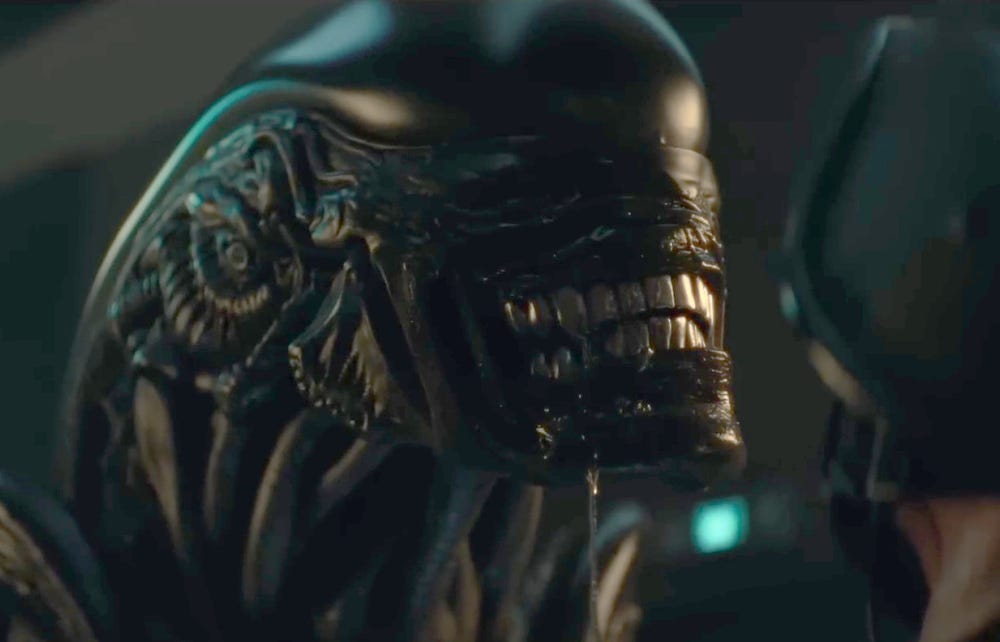
“It was a little scary at first, I’m not gonna lie,” Rothbart says. In most Alien movies, the xenomorph creature, first designed by H.R. Giger, is seen in the dark corridors of a spacecraft. For Alien: Earth, however, the xenomorph was shown out in the wild and in daylight.
“When you’re seeing the xenomorphs in full life in a way that they haven’t been seen before, it puts a lot of stress on making sure they feel real in a very lit environment,” Rothbart says, noting the challenge allowed for some innovations in the design, like adding extra color or detail that wouldn’t have been seen in the dark. “So it was a big leap to figure out how its mechanics were going to work in full scale.”
“There are two ways you can go about this,” adds Gonzales. “You can have a super controlled, dark exterior that’s gloomy, or a contrast to that. So being on Earth and in real environments was important to me. So when the xeno is seen in all its glory outside, it feels significant.”
Season 1 of Alien: Earth ends on a cliffhanger, with the show’s lead character, Wendy (Sydney Chandler), a “hybrid” (a synthetic body with a transferred human consciousness), forming an unlikely alliance with the xenomorph after taking down the corrupt tech CEO whose company initially exploited the spaceship crash for his own personal gain. FX renewed Alien: Earth for season 2 last month.
“We’re always going to stay in that world created by Ridley Scott, so by season 3 or 4 — whatever we end up doing — it will still feel the same things. But the creatures are untapped,” Gonzales says about what he hopes lies ahead for the series. “There’s a lot of story to be told, and a lot of the foundations we set are really going to inform season 2. These big discussions we had about what the creatures were like? Well, now, they are defined. We can even probably ramp them up even more, and everybody in the audience will understand, ‘Oh, that’s, that’s what they are.’”
All episodes of Alien: Earth season 1 are streaming on FX on Hulu.