

7 of TV’s Top Directors: Viewers ‘Know When Something’s Fake’
The Emmy-nominated directors of ‘Andor’, ‘Dying for Sex’, ‘The Pitt’, ‘Severance’, ‘Sirens’ and ‘Zero Day’ reveal trade secrets
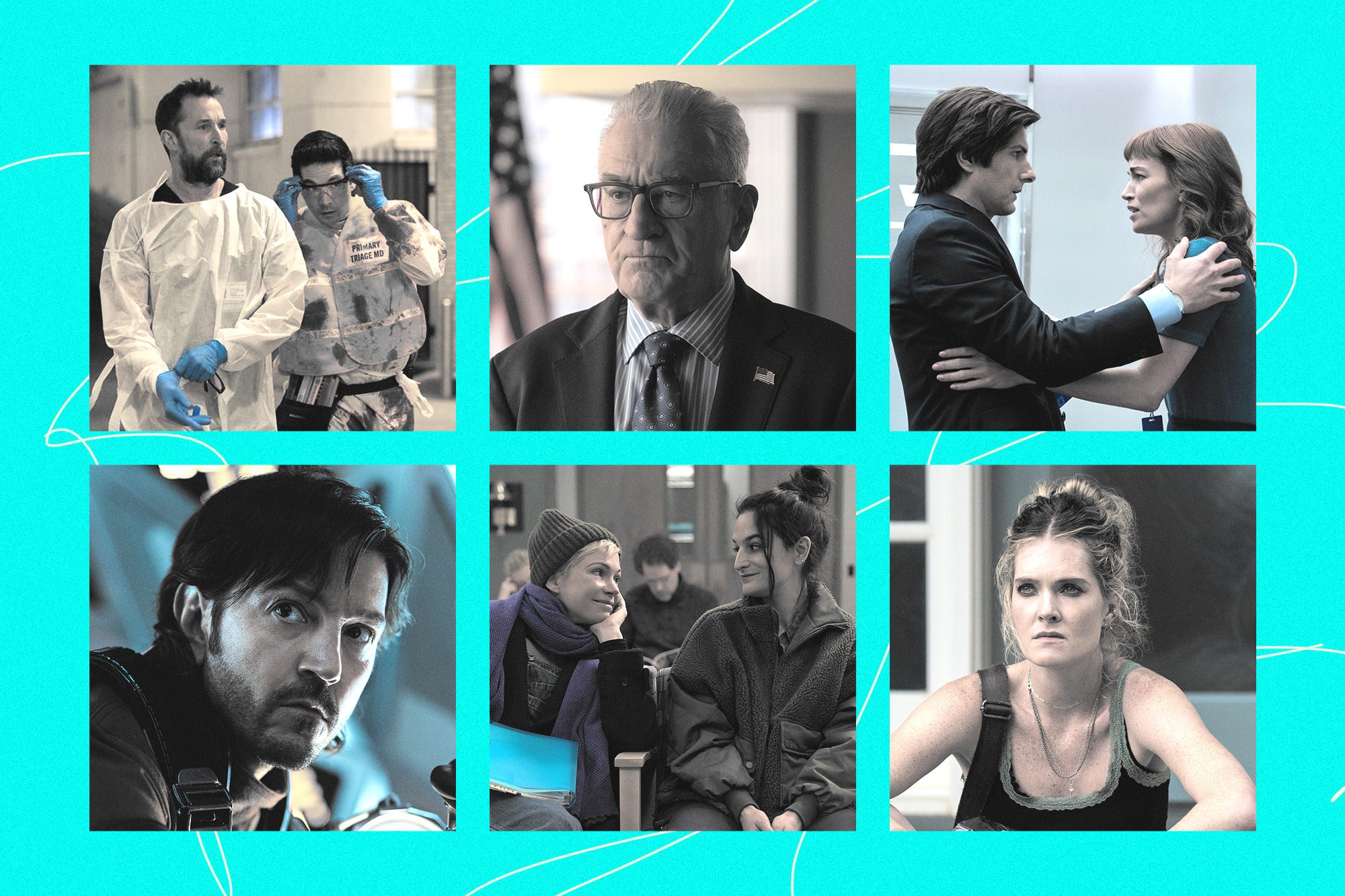
What is the job of a TV director?
“My mother still has no idea what I do,” says Amanda Marsalis, an Emmy nominee this year for The Pitt episode “6:00 P.M.” and director of three other episodes from the breakout HBO Max series. “People think that you are sort of God, everything that you want happens and you just wave magic wands around.”
But wands do not come with the gig. Throughout seven conversations with this year’s Emmy-nominated directors — from shows like Andor, Dying for Sex and Severance — a different picture emerged: rigorous prep work, relentless collaboration and the constant struggle of translating ambitious scripts into compelling television.

 Tiktok failed to load.
Enable 3rd party cookies or use another browser
In partnership with the Directors Guild of America and Letterboxd, Series Business author Elaine Low and Ankler Media deputy editor Christopher Rosen spoke virtually with these nominees in separate conversations — excerpts from the interviews were released on social media, with more to come next week (follow Letterboxd, DGA and The Ankler). In the chats, the directors talked about everything from getting a pseudo-Ph.D. in Greek mythology to grasp Sirens, to guiding Robert De Niro through his first-ever TV role in Zero Day.

Headlines to Hollywood: Zero Day & Andor
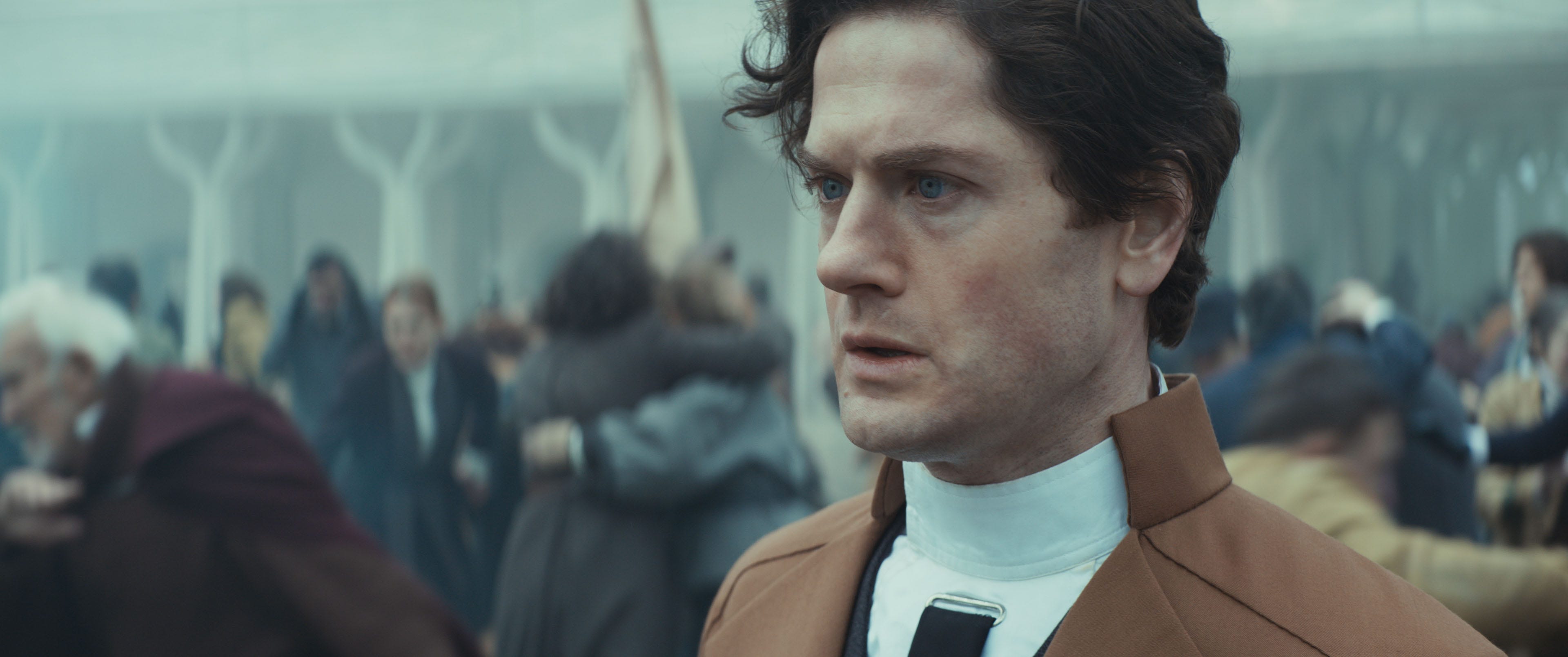
For his 2010 documentary Armadillo, director Janus Metz trekked to Afghanistan, in the heat of war, to follow a group of Danish soldiers during battle. So when he was tapped to direct Andor’s pivotal Ghorman massacre — the slaughter of hundreds of peaceful protestors — he had plenty of experience to draw on.
“I really wanted to add that flavor to the episode,” Metz says, referring to his experience in Afghanistan.
The two-season Disney+ drama, set in the far, far away galaxy of Star Wars, follows Cassian Andor (Diego Luna) as he grows from smuggler to rebellion hero, along with an ensemble of nuanced characters on both sides of the galactic struggle.
Prep was grueling. Metz and his team had to find ways to make the large Ghorman set feel dense, with only 400 extras on big days and 120 during the rest. His solutions involved using smoke to fill up empty spots and mapping out the entire sequence using iPhones beforehand. Metz’s most significant decision, though, was not to show blood or gore — this is a Star Wars show, after all.
“What’s more important than seeing the actual gore is the reactions, the aftermath and the people that experience it,” he says. “That was the whole point of the episode.”
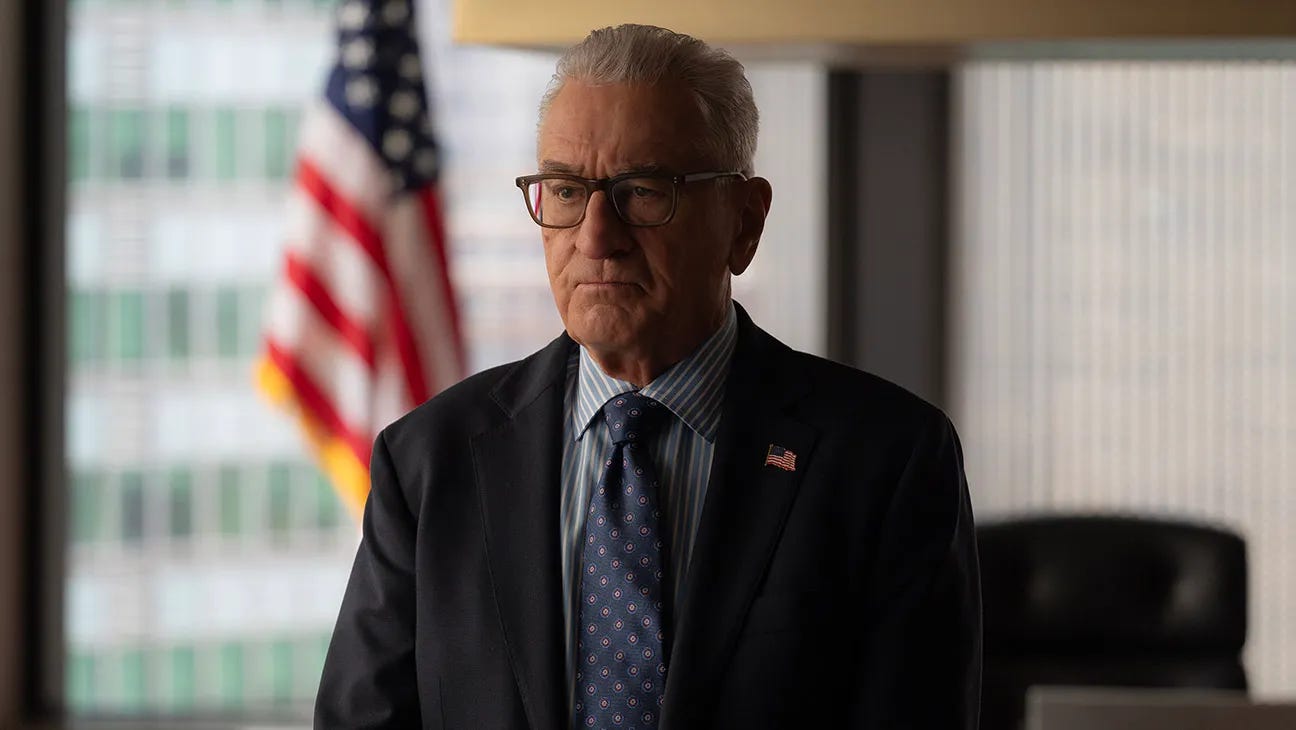
Lesli Linka Glatter has worked as a television director for nearly 40 years, been nominated for an Oscar (for the 1985 live-action short “Tales of Meeting and Parting”) and has been president of the DGA since 2021. Still, despite her illustrious career, Glatter found her meet-up with Robert De Niro was as anxiety-inducing as it would have been for anybody.
“I was a bit nervous when I first went in to meet with him. I mean, he’s a legend,” she says. “But soon that all fell away, because we just focused on the work.”
The work she’s referring to is Netflix’s limited series Zero Day, which marked the first TV role of De Niro’s career. Glatter directed all six episodes of the political thriller, in which an ex-president (De Niro) investigates a widespread conspiracy.
Glatter was drawn to the project by its theme: “What is truth in a post-truth world?” The subject matter lent itself to the paranoid conspiracy thriller genre in which Glatter thrives, having directed 25 episodes of Homeland (earning five Emmy nominations for the Showtime series). Like Homeland, Zero Day was deeply rooted in the real world. The series was the brainchild of former NBC News president Noah Oppenheim, Narcos creator Eric Newman and Pulitzer Prize-winning New York Times reporter Michael Schmidt.
“We had this real story based on very factual reality,” Glatter says. But the show “didn’t do it in a didactic way.”

Finding Real in the Surreal: Severance, The Pitt, Dying for Sex & Sirens
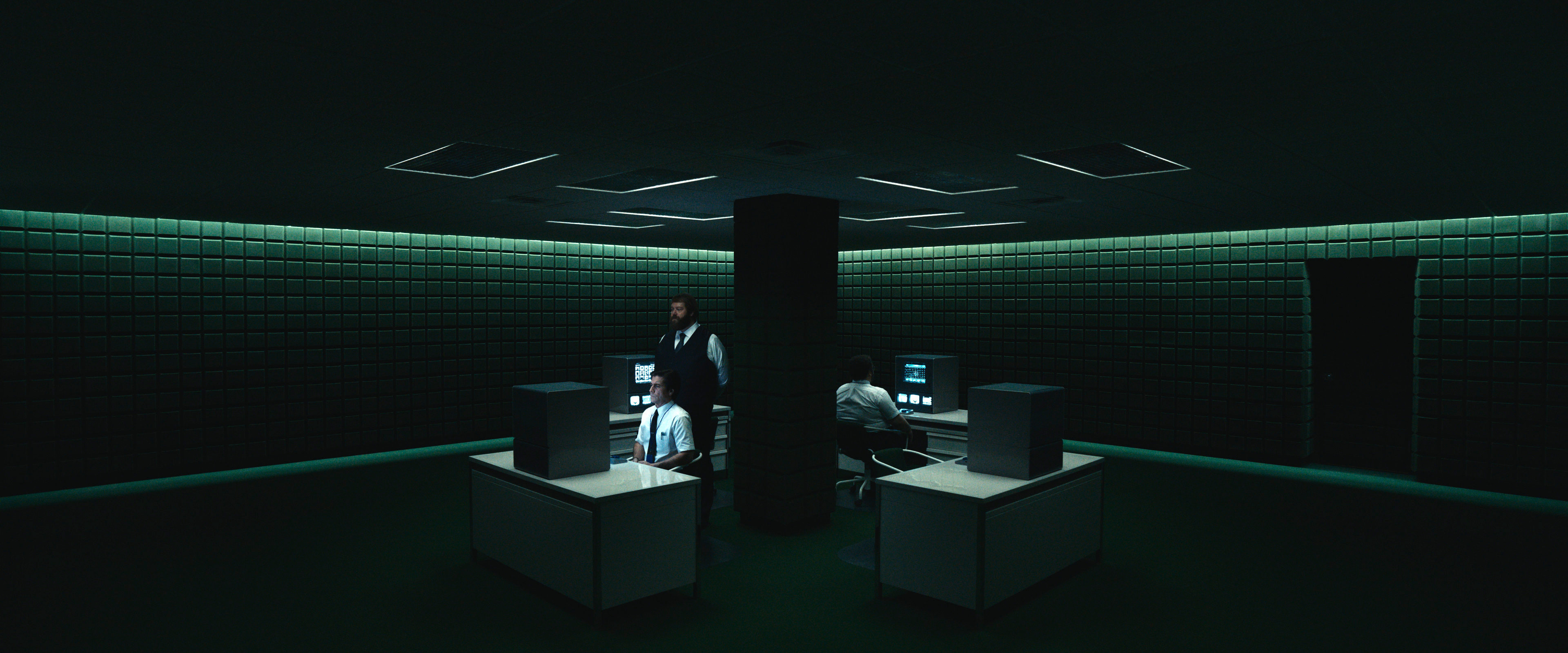
Jessica Lee Gagné has spent the majority of her professional career as a director of photography, including on the first season of Severance. She had been asked in the past if she wanted to direct, but her answer was always no. “I would just shrug it off and not even think about it,” she recalls.
Then an offer to direct the seventh episode of season 2 of Severance came through.
“It hit me like a ton of bricks when they offered,” Gagné says of the episode, titled “Chikhai Bardo” and focused on the relationship between Mark (Adam Scott) and Gemma (Dichen Lachman). “I was like, ‘There will never be a better moment for me to try this. I need to give myself this chance.’” What resulted was one of the show’s most iconic episodes, and an Emmy nomination for her work.
Severance, now through its second season on Apple TV+, follows a crew of white collar employees who undergo a procedure to “sever” their consciousness between their home and work lives.
Due to her ongoing role as the show’s DP (for which she received an additional Emmy nomination this year), the prep for Gagné’s own episode was “messy,” she says, often piecemealed across her work on the other episodes. But once she got in the director’s chair, Gagné realized the key to her success was leaning on her crew in a way she hadn’t chosen to as DP.
“I had to surrender a little bit because you can’t control everything,” she says. “There are just way too many elements, and on a show this big, it’s just a lot.”
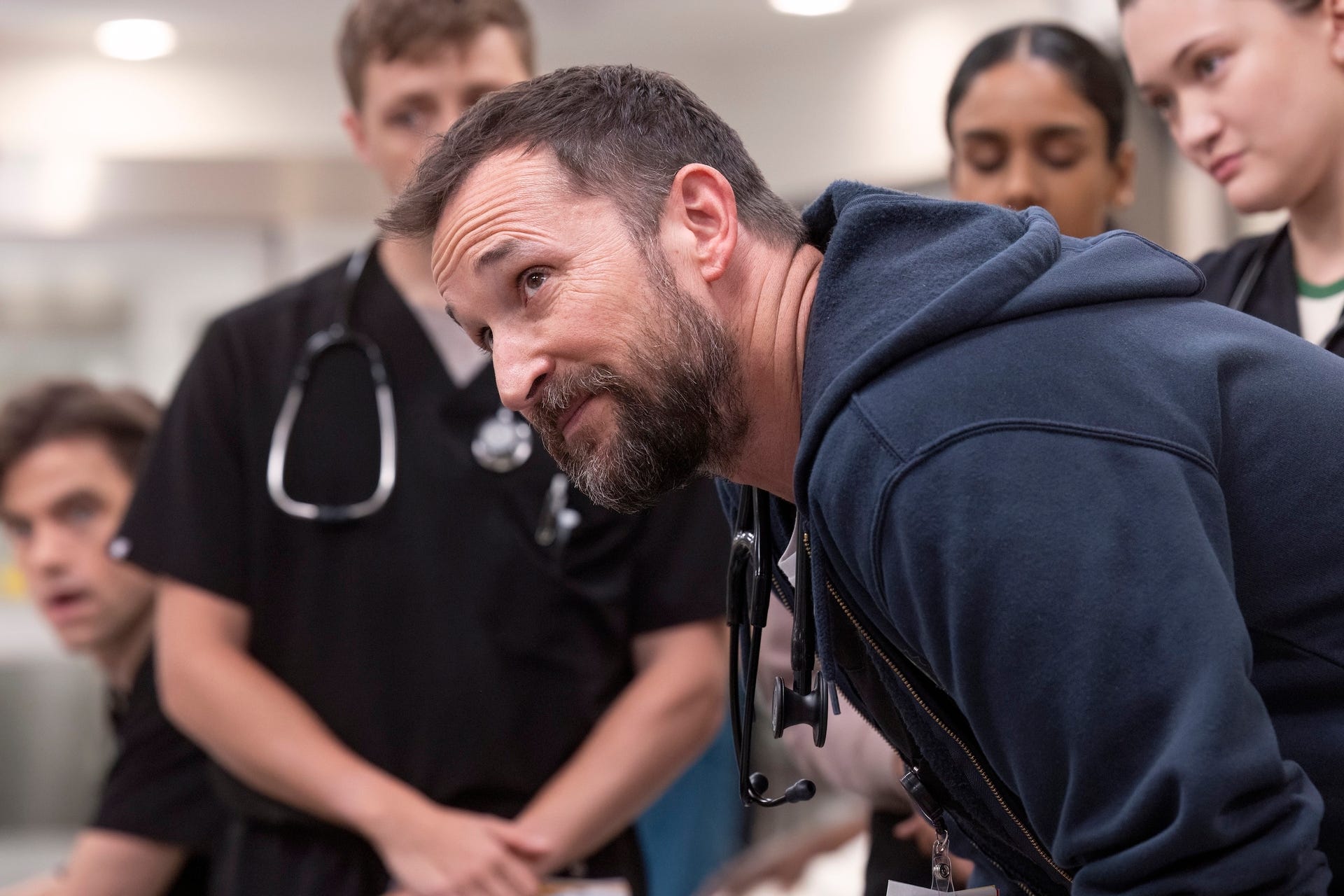
It would’ve been easy to make episode 12 of The Pitt, in which dozens of patients flood the ER after a mass casualty event, “medical porn,” says Amanda Marsalis of her standout episode. But what she came to understand after directing three earlier episodes was that the core needed to be the emotional reality of the first responders — and the “deep and true feelings” that undergirded the whole series.
HBO Max’s The Pitt, set in a Pittsburgh emergency room, follows the medical team at the hospital, led by Dr. Robby (Noah Wyle), over one hectic day.
Key to the success of the series was nailing the reality of the healthcare space. The Pitt co-creator John Wells, also an Emmy nominee this year for directing the show’s pilot (he also helmed the finale), believes that between documentaries and reality series, audiences are “so sophisticated now” and more than ever “know when something’s fake.” So how do you make something feel real?
“You can only get that from not from watching other television shows, but from actually spending time with the people who are really doing it now,” Wells says.
Among other dives into the real world of ERs, a number of the nurses on the show are actually practicing emergency room nurses. “That’s why everybody looks like they know what they’re doing,” Wells says.
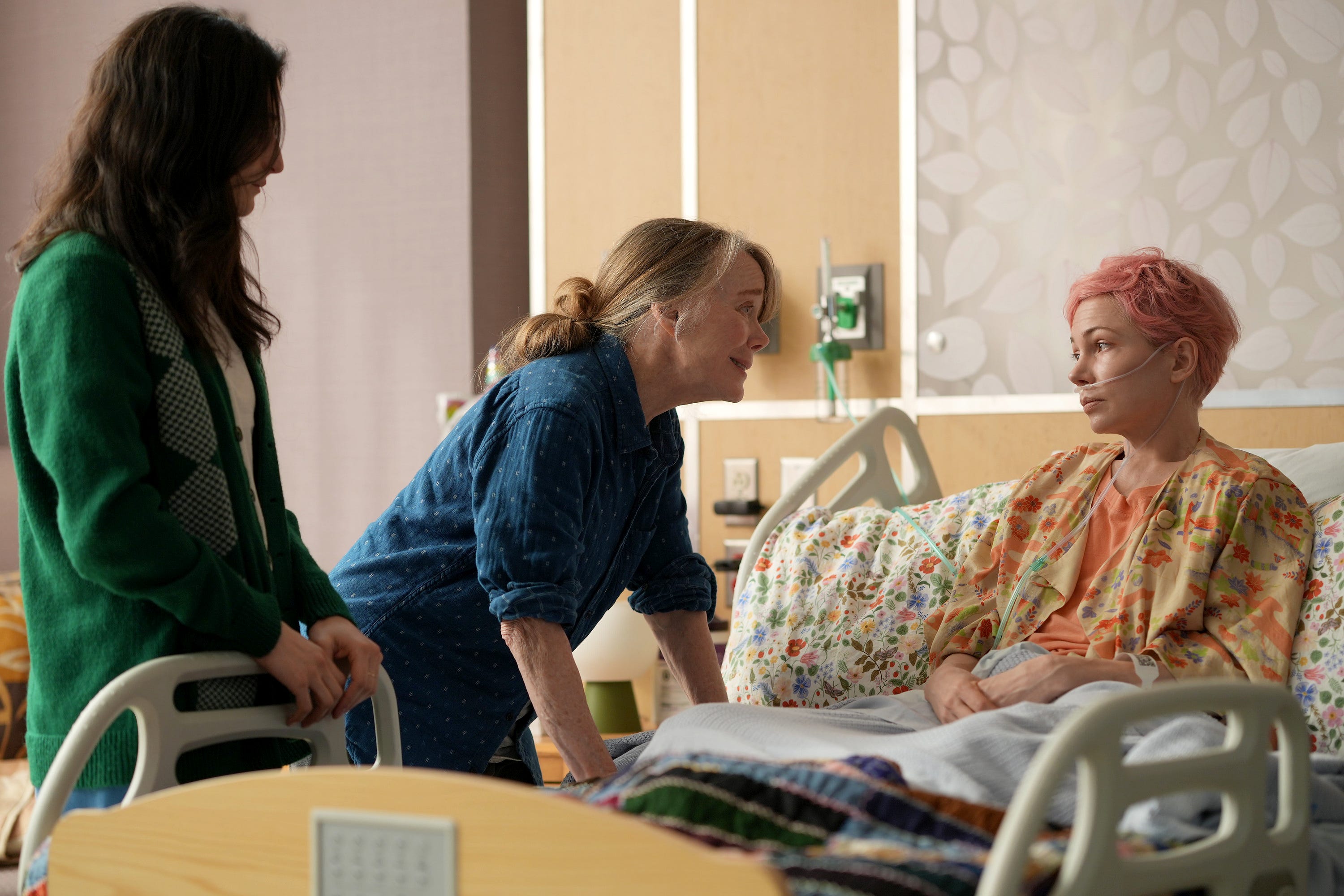
When Shannon Murphy read all the episodes of Dying for Sex, she remembers getting to the last one and immediately worrying, “How do we start with that much comedy and end with that much sorrow, balance it throughout, and do it with enough taste that then people are really on the ride?” Her eventual answer: “Get the tone right,” and don’t “be afraid to [live] in the uncomfortable.”
An FX limited series based on the non-fiction podcast of the same name, Dying for Sex stars Michelle Williams and Jenny Slate as friends whose relationship deepens when Williams’ character, Molly, receives a terminal diagnosis. The show also follows Molly as she takes up risqué sexual habits following the diagnosis.
But while Dying for Sex could stretch its comedic muscle in the BDSM scenes and many other areas, the finale brought with it an inherent sorrow in Molly’s death that required Murphy to make some tough choices.
 Tiktok failed to load.
Enable 3rd party cookies or use another browser
“It’s almost entirely shot in one room, which at first, when I read it, I thought, ‘Oh gosh, this is a directing nightmare,’” Murphy says of the heartbreaking finale, her Emmy-nominated episode. “‘How do I make this always feel really interesting and visually exciting as well as emotional?’”
Murphy achieved those aims by treating each scene as its own entity and thinking carefully about the distance between the characters and the camera, counterintuitively pulling the camera further away during the pivotal goodbye scene between Molly and Slate’s Nikki.
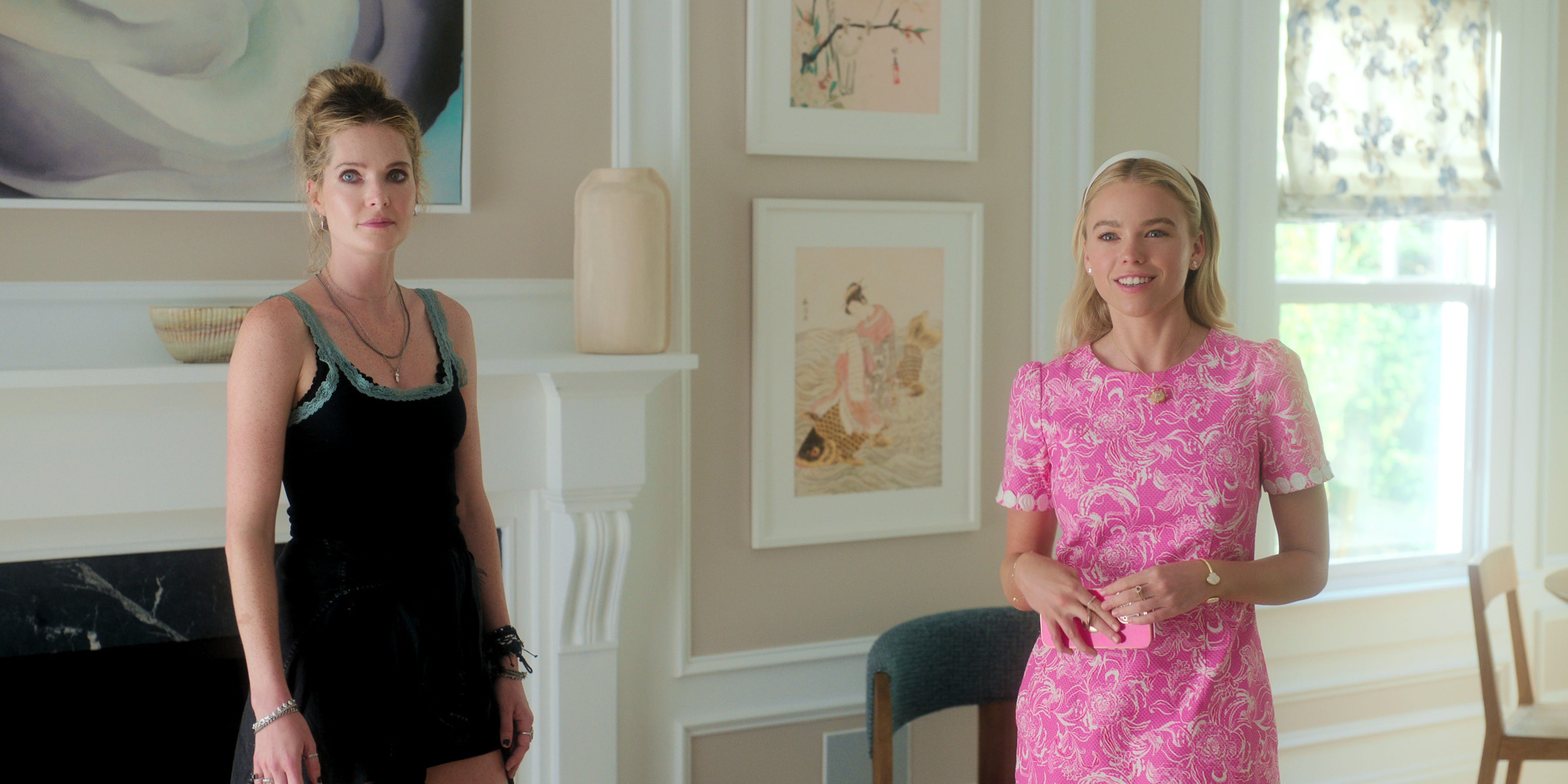
When Nicole Kassell first talked to Sirens creator Molly Smith Metzler, the director told Metzler that, tonally, she felt like the two strongest references for the series were psychological horror Rosemary's Baby and crime comedy Raising Arizona. What Kassell didn’t mention was the 2011 stage play Elemeno Pea, which Metzler wrote and used as the basis of Sirens.
“I did not actually read the play,” Kassell says. “I really wanted to just fully embrace this version.”
Still, like the play that preceded it, Netflix’s Sirens centers on sisters Simone (Milly Alcock) and Devon (Meghann Fahy) as Devon becomes suspicious of Simone’s relationship with her boss, Michaela (Julianne Moore). The title Sirens refers to the mythical Greek women who would lure sailors to their deaths.
Anytime Kassell takes on a project, she likes to “do a Ph.D. in that subject matter,” she says. Kassell was already familiar with this one, though, thanks to her two kids. “They really refreshed me on my mythology,” she says, “whether it was through Percy Jackson or a kids’ version of The Odyssey.”